Passivated stainless steel plays a crucial role in industries where corrosion resistance and product reliability are essential. This chemical treatment strengthens the naturally occurring chromium oxide layer on stainless steel, enhancing its resistance to rust and contamination. For businesses that depend on precision-engineered components, understanding passivated stainless steel means recognizing how it safeguards equipment, improves longevity, and supports compliance with rigorous industry standards.
Passivation involves chemically removing free iron and other surface contaminants to reinforce the passive oxide layer. This process is especially important in sectors where product failure due to corrosion or contamination can jeopardize safety and operational efficiency. By working with specialized providers who understand the nuances of stainless steel finishing, companies gain a significant advantage in maintaining the integrity of their systems and products.
Choosing the right passivation partner ensures access to technical expertise and proven quality controls tailored to meet exacting industrial requirements. For businesses operating in aerospace, medical technology, pharmaceutical manufacturing, food processing, and related fields, passivation is not merely a finishing step—it is a vital performance investment.
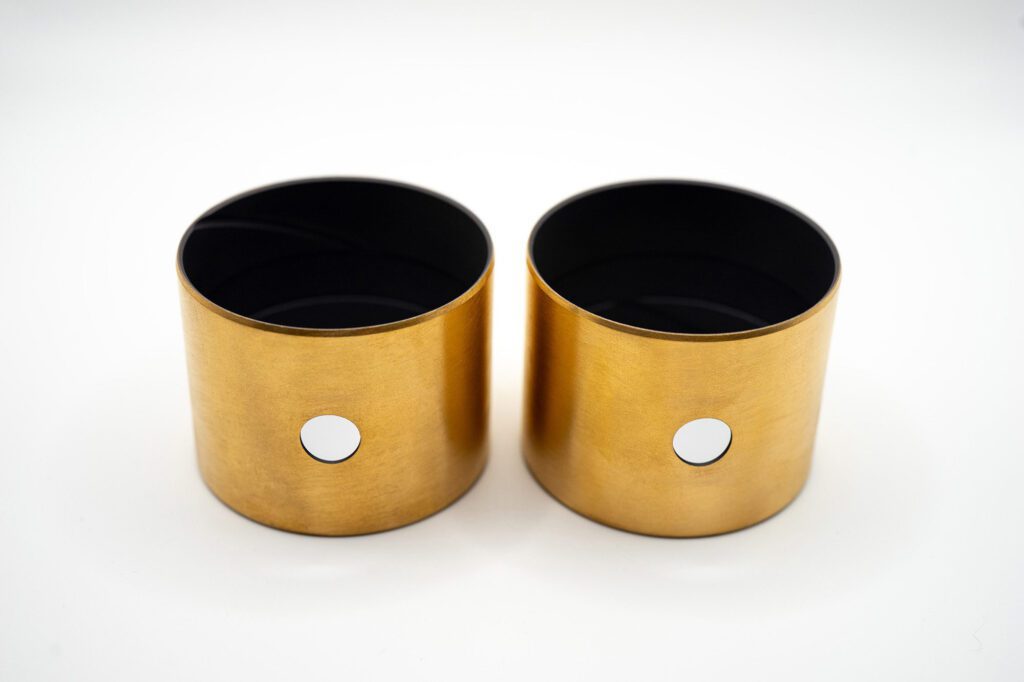
Passivation serves as a critical enhancement to stainless steel surfaces, making it more than just a final manufacturing step. Its value lies in transforming a finished component into a robust, corrosion-resistant part that can withstand the demanding environments typical of high-stakes industries. This chemical treatment removes surface contaminants, improving the surface chemistry to prevent corrosion, contamination, and material degradation that directly impact product reliability.
Companies that rely on stainless steel in their operations must ensure that every surface is carefully prepared through passivation to meet regulatory and operational demands. Proper passivation supports long-term equipment functionality by minimizing corrosion-related failures that can lead to costly downtime and maintenance. Our team brings a depth of knowledge in applying these treatments, ensuring that your stainless steel components meet industry standards while performing consistently over time.
Engaging with experts in passivation provides companies with confidence that their stainless steel surfaces are meticulously prepared using controlled processes. This professional approach extends the lifecycle of equipment and reduces risks associated with corrosion or contamination. Understanding the technical specifics of passivation and working closely with a knowledgeable provider leads to tangible improvements in your products’ durability and compliance.
One of the most important benefits of passivated stainless steel is its superior corrosion resistance. During manufacturing or handling, tiny amounts of free iron can become embedded in the surface, compromising the metal’s natural defense. Passivation chemically removes this free iron, allowing the chromium content at the surface to form a uniform chromium oxide layer that acts as a robust barrier against rust and chemical attack.
This chemically enhanced passive layer ensures that stainless steel components maintain reliable performance, particularly in environments exposed to moisture, chemicals, or sterile conditions. The consistent corrosion resistance provided by effective passivation reduces the frequency of replacements and maintenance, supporting operational efficiency across various industries. The durability gained from passivation directly translates into cost savings and enhanced equipment uptime.
Industries such as aerospace, medical, and pharmaceutical manufacturing demand materials that resist surface degradation under stringent conditions. Passivated stainless steel fulfills these needs by preserving metal integrity and preventing the formation of rust or other corrosive damage. This capability ensures safer, longer-lasting components critical for performance-sensitive applications.
In sectors like pharmaceuticals, food processing, and medical device manufacturing, surface purity is paramount. Even trace contamination can result in compromised product batches, regulatory failures, or health risks. Passivation creates a clean and inert stainless steel surface that resists reaction with process materials, vital for meeting strict hygiene and purity standards.
The removal of surface iron and contaminants through passivation eliminates potential sites for microbial growth or chemical interaction, preserving product integrity. This treatment supports regulatory compliance with standards such as ASME, ASTM, and ISO, which often mandate passivation for equipment used in controlled environments. The chemically stabilized surface is less prone to absorb residues, facilitating easier cleaning and maintenance.
By ensuring surfaces are free from contaminating particles and chemically stable, passivated stainless steel contributes to safer manufacturing processes. This peace of mind is critical for businesses prioritizing product quality and customer safety. Partnering with a passivation specialist helps guarantee that your stainless steel components consistently meet the necessary cleanliness and performance criteria.
Quality assurance measures are essential to verify that passivation has been correctly applied and that the protective surface layer meets performance requirements. Techniques such as the water break test, copper sulfate test, and Ferroxyl test are commonly used to assess whether chemical passivation has properly eliminated free iron and established a uniform chromium oxide layer.
A correctly passivated surface will show no water beading, discoloration, or signs of corrosion in these tests, confirming that the stainless steel part will maintain high corrosion resistance. These verification steps form part of a rigorous quality control protocol, essential for industries that cannot tolerate material failure or contamination. Precise testing and documentation provide confidence in compliance with industry specifications and regulatory expectations.
Using a passivation provider experienced in these verification processes ensures that your stainless steel components are consistently processed to exacting standards. This commitment to testing safeguards against premature corrosion and enhances reliability in the field. For decision-makers seeking dependable corrosion protection, validated passivation results are a critical factor in vendor selection.
Each aspect of stainless steel passivation—from chemical treatment through purity control to precision verification—plays a vital role in protecting equipment and products in demanding industries. By investing in professional passivation services, companies reinforce their commitment to quality, compliance, and operational excellence. Contact our team to explore how advanced passivation processes can optimize your stainless steel components for enhanced longevity, performance, and regulatory adherence.